
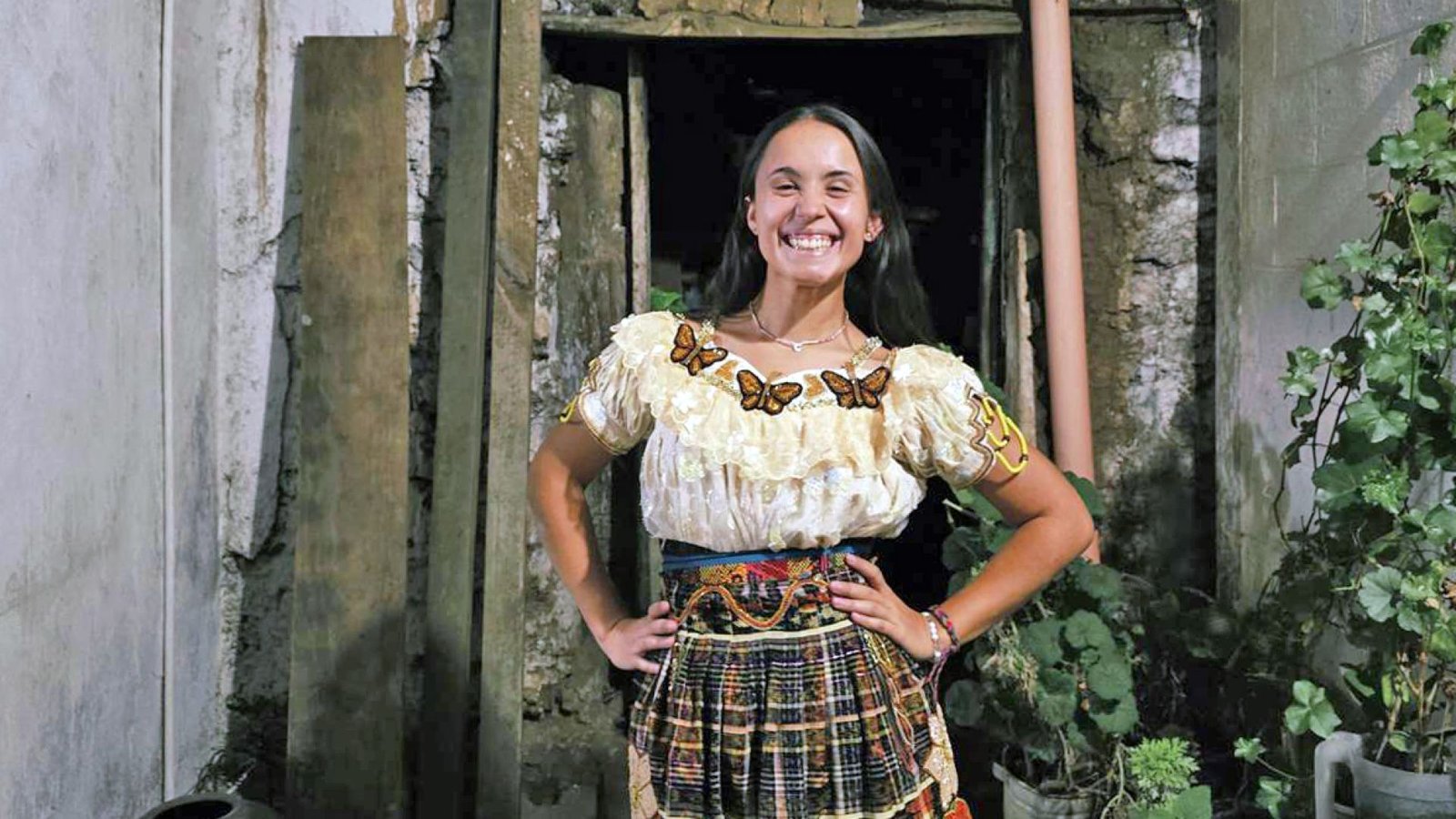
During my volunteer work in Guatemala, I witnessed firsthand how caring for someone goes far beyond simply providing treatment. Many families lack access to medications and treatments because they cannot afford them. Illnesses that have relatively simple solutions in other parts of the world become complicated there, affecting not only the patient but their entire family.
I’ve practiced other forms of caregiving that have taught me a great deal. I was particularly impressed by the importance of companionship, being present and caring at all times without expecting anything in return. When resources are lacking, the human aspect of care is amplified and yields results.
It was necessary to understand their own way of understanding health, their knowledge, and their customs, such as their use of medicinal plants. Volunteering requires enough humility to understand that, however professional you may be, you also have a great deal to learn.
I couldn’t possibly choose just one person or moment; absolutely every experience and every person I’ve met has taught me something. Every story, every way of facing life, has left its mark on me. They value what I once considered insignificant, like sharing a meal, spending time with family, a conversation, or simply being together. I’ve truly enjoyed myself and given thanks for things I took for granted, or I’ve become careless, seeing that with far fewer material possessions, they radiate immense joy and generosity.
Guatemala has taught me to focus less on what I lack and more on all that I have, to understand that happiness does not depend on how much you have, but on how much you value what you have and the attitude with which you decide to use it.
I’ve also learned that helping doesn’t always mean solving the problem. There are situations you can’t change, and at first, it makes you feel powerless. Then you understand that simply “being there” helps a lot: being there to listen, to share, to offer a kind word, or even to share a smile. Small gestures that mean so much to someone going through a difficult time.
Even if you can’t get them that medication, change that circumstance, or solve that worry, you can still make them feel supported and heard. They place immense value on companionship and family. They look out for each other, staying by the side of those who are suffering even when they know their situation won’t change. Caring also means being present, even when you don’t have the solution.
In the future, as a doctor, there will be times when I can heal and others when, unfortunately, I can’t. But now I know that I can care, listen, hold hands, dedicate a few extra minutes, or simply stay by their side. We don’t always leave a mark through grand gestures, but through how we make others feel. It’s the most human aspect of medicine: behind every patient is a person, a family, a story, and a set of circumstances. Although I’m very focused on diagnosing, treating, and curing, I’ve learned here that I must also support, listen, and accompany.
I hope I never lose the ability to listen, to look people in the eye, and to dedicate time, even when I’m very busy or can’t solve everything. Making someone feel supported and cared for—that I can always do; it all depends on me.
In Guatemala, you experience a different way of valuing life. Now I appreciate what I have much more, worry less about things that don’t deserve it, and enjoy the little moments. I see each day with new eyes.
To anyone thinking about volunteering, I would say go for it. Don’t be afraid to face a different reality and go with an open mind to learn. You will receive so much more than you give. I came to Guatemala to contribute my time and knowledge, but I’m returning feeling that I’ve gained so much more. That’s one of the most beautiful things about volunteering: you not only try to leave something of yourself with others, but you also return a little different than when you left.