
How are you feeling after these weeks of profound changes?
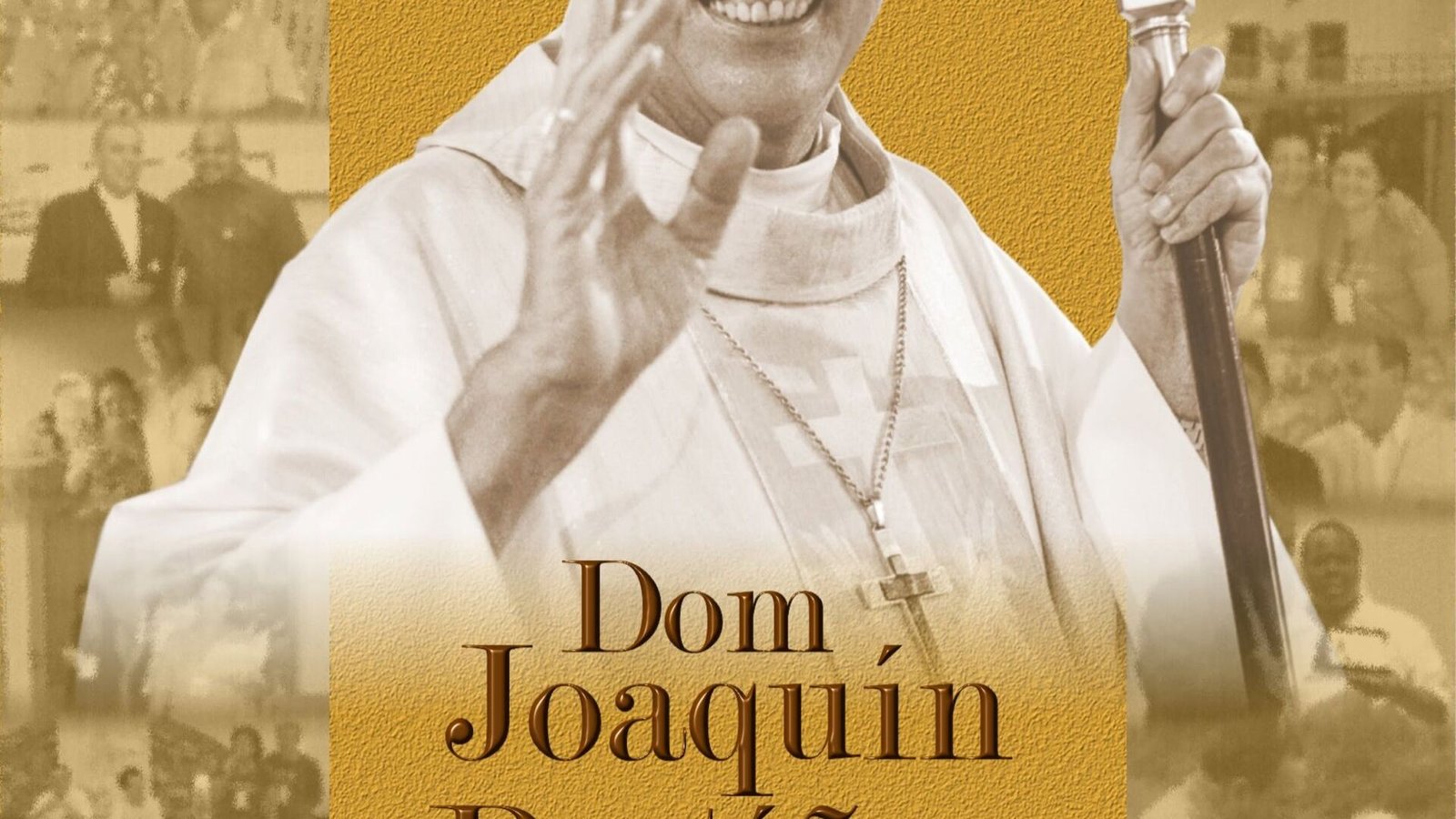
After my resignation was accepted, I felt much calmer, as if a great weight had been lifted from my shoulders. Logically, it had been brewing for some time due to health problems and the increasing difficulties in fulfilling my commitments.
Having overcome some initial difficulties, not without considerable effort, I continued until an arrhythmia landed me, once again, in the ICU and required emergency surgery. The cardiologist warned me that stress was a direct cause and advised me to adopt strategies such as clearing my mind of worries if I wanted to successfully overcome the situation.
I reduced my working hours, avoided strenuous activity, and informed the Apostolic Nuncio. The Pope advised me to submit my resignation, take care of my health, and allow someone else to take over my pastoral care. The next day I sent my request, which was answered immediately.
What kind of Diocese did you find and how is it being left to your successor?
It’s not for me to make that assessment, but certainly in 27 years a lot has happened, some good and some not so good. Naturally, there were mistakes and failures. If I could go back, I wouldn’t repeat some of the things that didn’t work, especially at the beginning due to my lack of experience and my complete unfamiliarity with the Diocese when I arrived. I would have liked to leave a better Diocese, but circumstances didn’t allow it. Now I can only say from the bottom of my heart: Mission accomplished, we did what we could!
Like Saint Ezekiel Moreno, you have been a teacher, missionary, and bishop, although in this case the order of these roles is reversed. Who were your role models?
Well, I never thought about that; the bar is set very high for any comparison with the services rendered by Saint Ezekiel. But I can say that in all these tasks I had few role models, especially as a bishop.
I had to learn everything on my own. I had no advanced theological studies, no preparation on how to be a bishop, no one informed me, and there wasn’t even a diocesan office to support me administratively. They just leave me there and say, “Be a bishop!” I learned through years of hardship and challenges. The previous bishop, who had health problems, told me, “Everything I do, you can do too.” So I tried to do what he did in the best way I could, or in the best way I could imagine.
As a missionary, it was much the same, without courses or anyone to teach me the fundamentals of the service I was going to perform. And as a formator, I had excellent mentors, and each one, in their own way and with great kindness, gave me the tools to get to where I am today. I will always be very grateful to them; today they are part of our history.
The Amazon region enjoys a prominent role within the Church today. What has your relationship with Rome been like?
I had the grace of making the Ad Limina Visit with Saint John Paul II, Benedict XVI, and Francis —a blessed experience to be with them and talk. Those whom we usually see from so far away, suddenly I had right in front of me…
I also had the opportunity to participate in the Synod for the Amazon, with daily interaction with Pope Francis, all of us staying at the Saint Martha’s House. Back at World Youth Day 2013 in Rio de Janeiro, he made it clear: “We cannot lose the Amazon.” Then the pandemic hit, and his dreams for Querida Amazonia cooled somewhat, as did his enthusiasm and new initiatives. Now they are gradually resuming.
What is the future of youth in the Amazon?
Without education there can be no evangelization. That is why from the beginning I placed the utmost importance on formation for both clergy and laity. Thank God, our region is full of young people. We need to work with them, to have well-trained people willing to collaborate.
Seminars, a diaconal school, a Faculty and Weeks of Philosophy and Theology, courses for ministries, missionary formation… I used every means at our disposal, but young people now need differentiated support and training in the digital society. Many are forced to emigrate, a harsh reality, and our politicians don’t seem to notice this, nor do they seem interested or concerned about it. What a shame!
What kind of life do you plan to lead now as an emeritus?
Right now I have no plans; I still haven’t fully processed it after so many years… It’s not easy to turn the page and think about other possibilities, especially without knowing who the successor will be or when they’ll arrive, since I’ll have to pass on responsibilities and problems. Only God knows what the future holds. Let’s hope it’s not too long. Thank you!
Writer and editor
The Bishop Emeritus of Rio Branco wrote the History of the Diocese of Rio Branco in 2006, an 800-page book that recounts its history from the beginnings to 1999. In 2011, for the 25th anniversary of the transition from Prelature to Diocese, he wrote The Beginnings of a Diocese, which describes the social, political, economic, and religious context of the time.
In 2016, preparations began for the Diocese’s Centenary (1919-2019), and the “Pages of Our History” collection was created. Here we review the books in this collection authored by Bishop Pertíñez. In addition, as coordinator or editor, he has participated in works on the presence of consecrated men and women in Rio Branco, on the Church’s educational mission, and on letters from missionaries.
- The Church, People of God, in the Prelature of Acre and Purus was the subject of his master’s thesis. Pertíñez focuses on how the Council was implemented in the Prelature.
- The article Two Pearls deals with the history of the Santa Juliana Hospital and the Souza Araújo Home, on the occasion of their 50th anniversary.
- “To Love More” is an interview commemorating his 20 years as a bishop.
- Christ, the rubber collector is a brief and modest Christology that makes use of the history, reality and life of the rubber tappers of the Amazon.
- Two Signs in the Sky is a story of the 25 years of the Rainbow therapeutic community, which serves men.
- Morning Star is a story commemorating the 10th anniversary of this therapeutic community of the same name, which serves women.
- The presence of the Priestly Society of Saint Jacques in the Diocese of Rio Branco recounts the evangelization of this apostolic society in the Diocese.
- One Hundred Characters from Our History brings together brief biographies of important figures from the first one hundred years of the Diocese.
- The pandemic also passed through here is a tribute with letters and biographies of people linked to the Church who died during that sad period.
- The History of the Basic Ecclesial Communities in the valleys of Acre and Purus recounts this magnificent and very valuable ecclesial experience for evangelization.
- The Maries of the Sorrows focuses on the female perspective of the rubber plantations, which are of great importance in the transmission of faith.
- Memoir of a Jubilee is a summary of the main events on the 25th anniversary of his episcopal ordination.
- Marriage Encounter with Christ (ECC) It reviews the 30 years of service of this family ministry movement in the Diocese of Rio Branco.