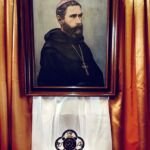

The Augustinian Recollection had a clear mystical component from its inception. One of its earliest figures, Augustine of Saint Ildefonso (1585-1662), distinguished himself through this sustained focus on the interior life, the affective experience of God, and dedication to mental prayer. His work, Mystical Theology, contains meditations on this love of God, filled with affection and feeling.
The Recollects sought to intensify the interior life and showed from the beginning a preference for mental prayer. Their earliest documents promote and recommend it with special esteem. And even today, in every Recollect community, two periods of the day, morning and afternoon, are set aside for the practice of mental prayer.
Saint Augustine developed the idea of this type of prayer in his Commentary on Psalm 118. For him, it is not enough to know, memorize, or mentally repeat God’s law: thinking about God and loving God are not separate activities. By thinking, remembering, and reflecting, the result is that love is rekindled.
This is not a speculative meditation, but an exercise in love that engages the present moment, requiring sustained attention and concentration, and fostering the growth of love. In this sense, it is a very complete prayer, because it can culminate in diverse feelings depending on the situation and the person’s needs: desire, admiration, thanksgiving, repentance, joy, contemplative silence…
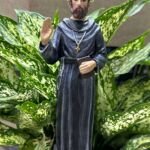
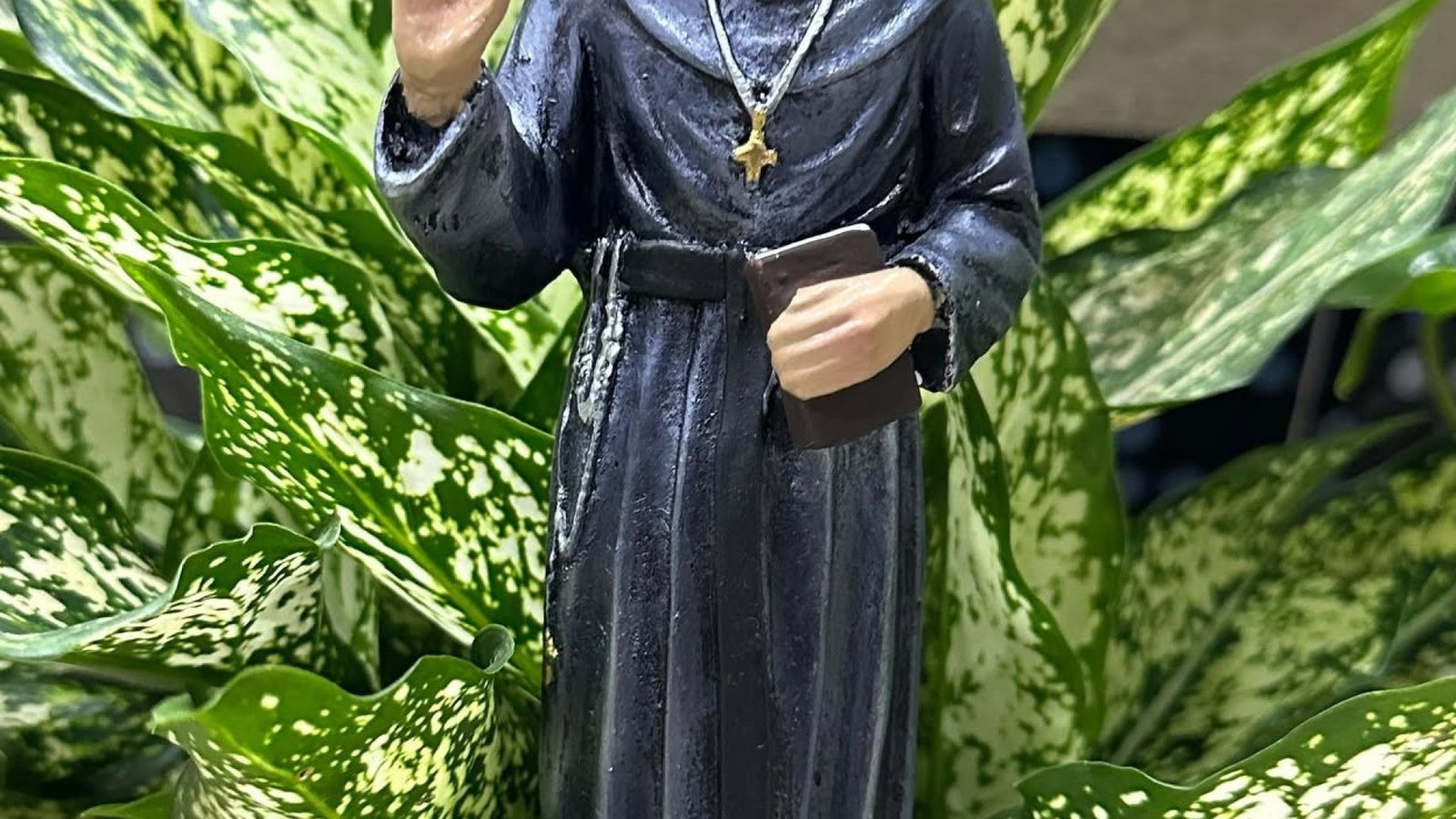
For Augustine of Hippo, human beings are defined not only by what they know, but also by what they love. A follower of his thought, the Augustinian Recollect saint Ezekiel Moreno embodies in his life how this love for Christ is transformed into acts of solidarity and accompanying others to lead them to Jesus.
The depth of his spiritual life never distanced him from people, but rather made him more sensitive to their needs. In the Philippines, Spain, or Colombia, he never stopped praying for hours, meditating with that “lover’s thoughts”; but neither did he stop reaching out to and watching over the most disadvantaged. One thing led to the other, and vice versa.
This spirituality does not evade reality; it keeps its gaze on high and its feet on the ground: prayer impels the mission because the lover wants to love with action; and, at the same time, the mission demands prayer so as not to lose its way and motivation or falter in the face of adversity.
Leo XIV revived this intuition: a truly contemplative gaze generates and promotes a culture of meeting. Saint Ezekiel lived it as part of his Augustinian Recollect identity: the depth of a person’s interiority is equivalent to the breadth of their compassionate and missionary service.
The world changes through the tools of closeness, those who live united to God and committed to their brothers and sisters. Saint Ezekiel is a living example and proof that it works: he made prayer his strength, mission his response, and contemplation a way to always keep his eyes open to God and attentive to his neighbor.