
Although October has begun and it seems we have already brushed off all the excess sand from the beach, Esther Ruiz Simón reminds us that perhaps summer left behind more than just photographs, memories, and days of rest. Returning to the village, going back to our grandparents’ house, rediscovering our traditions, and participating once again in religious festivals can help us reconnect with our roots, our family, and also our faith.
Villages are for the summer
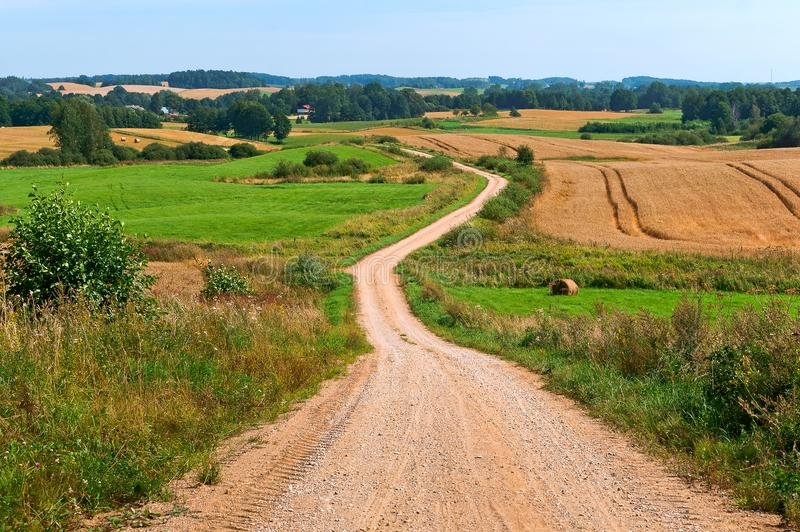
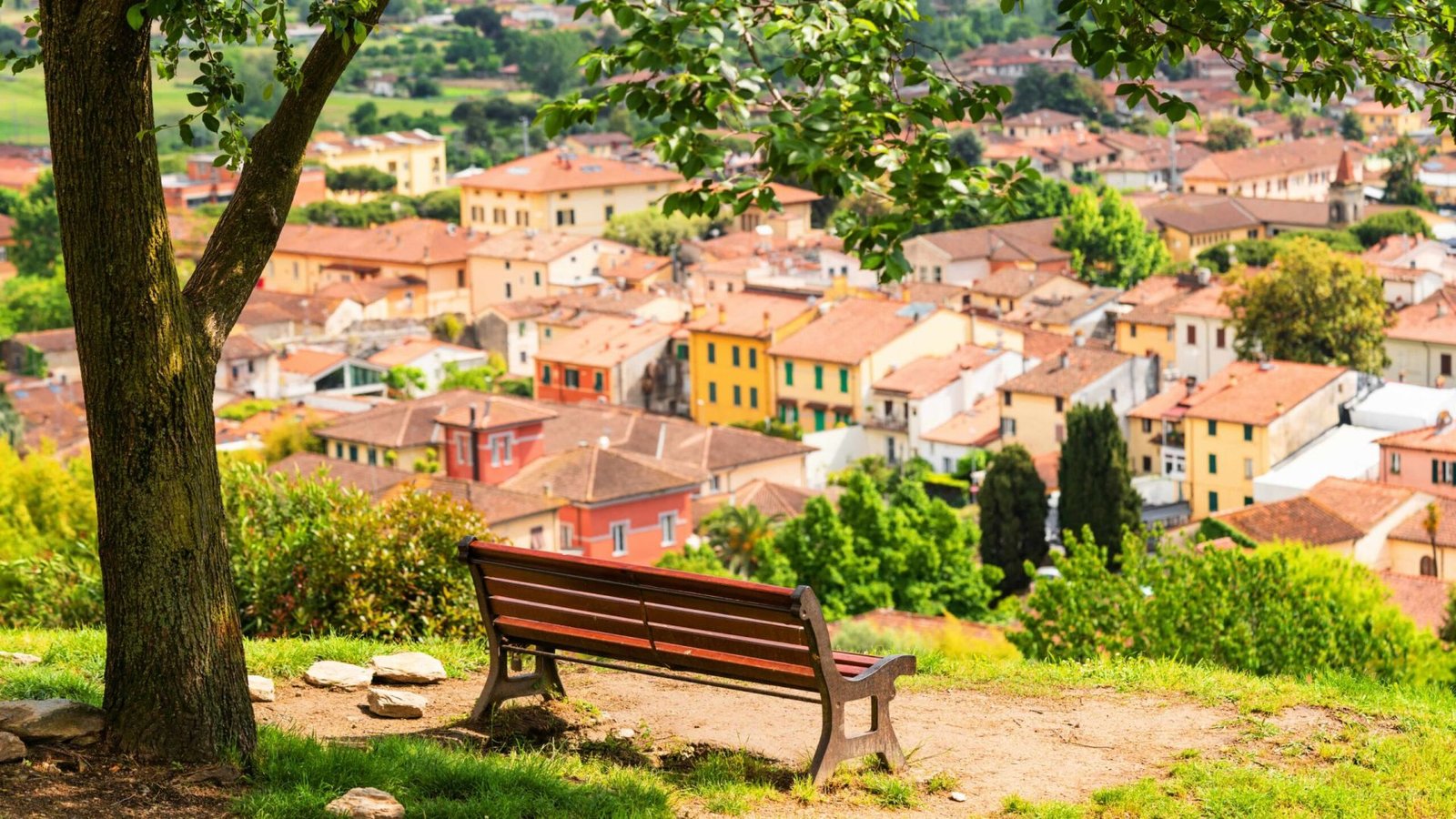
Nowadays, social media brings us closer and shows us many realities that exist in different parts of the world from infinite points of view. One of the most recurring reels when summer arrives in Spain is that of life in the villages.
There is no shortage of reels from the newcomers; from those who are there all year round and see their villages fill up with outsiders from the big cities; of life in the grandparents’ house; of grandchildren and their summers in the streets and in nature; or of those who were once young people without mobile phones to record their “exploits.”
There are joyful, nostalgic, and vindictive ones… However, the most striking are those that explain to the rest of the world what a village in Spain is, who are those who “have a village,” what elements those places have in common, and those who return to them every summer.
If I may cite the work Bicycles Are for the Summer, by Fernando Fernán Gómez (1977), and make it my own, we could assert without blushing that a very Spanish reality is that villages are for the summer.
In the villages, with their advantages, disadvantages, and contradictions, the essence of families and the deep roots of Spanish society remain alive. There, traditions survive, passed down from generation to generation, forming a large part of our cultural heritage.
“And you, whose are you?”
The return to the villages during the Spanish midsummer heat also represents a return to the origin of what we are and how we are. That knowledge learned through imitation, consciously or unconsciously, or inherited from our families, constitutes an indisputable heritage upon which the education and socialization of children and grandchildren are built.
In the Spain of the villages, the chain of educational transmission maintains its function within the family engine, as it allows for the transmission of the collective and individual culture of each family, the values on which societies are founded, and the traditions that root people to their environments.
There is nothing more typical and, at the same time, more emblematic in Spanish villages than the famous phrase: “And you, whose are you?” That brief, clear, and concise question—as Don Juan Manuel would say—holds a weight of family identity and belonging much deeper than the simplicity of its form.
In just a few words, the sense of rooting and belonging to a family, to its traditions, and to the culture that houses them—so characteristic of the identity of our villages—is condensed.
Returning also to faith
It is also in the villages where communal life leads us to reconnect with faith and religious festivities. Popular piety recovers that intergenerational chain of transmission that connects faith, culture, and generations.
In the villages, in the grandparents’ houses, we become once again those children presented before the Virgin. We become pilgrims once more; we return to the novenas in honor of the patron saints, to the processions, and to the solemn Mass that announces to us that it is a great day for the community and for families.
And perhaps there we discover that returning to the village is never just returning to a place. It is meeting again a history that began before us and that we are called to transmit. In those days, past, present, and future are united under a single prayer.