
In the individualistic and selfish cultural context that is acquiring enormous proportions in the personal and social spheres, with the undermining of democratic values or multilateral cooperation, Catholic consecrated communities are also experiencing internal tensions today due to the differentiation between “ours” and “mine”, especially observable among the different generations of religious men.
This tension sometimes resolves itself in disaffection towards the common good and attachment to the project and personal opinion. The individual either becomes the sole interpreter of the shared identity or detaches themselves from it. An external charismatic veneer, sometimes very “apparent” in terms of the use of outward signs and symbols, is a convenient price to pay in order to then focus on self-interest or work according to individual criteria.
A shared identity cannot be forged through imposition or nostalgia, but rather through a sense of belonging. However, the way in which a charism is embodied is historical, ever-changing, and creative, responding to the needs of each era. When charism and identity weaken, religious life becomes fragmented and loses its purpose and direction.
Historian Ángel Martínez Cuesta has questioned how the current way of being and living of the Augustinian Recollects is the result of multiple factors. It has never been a closed or self-sufficient Family, but rather open and permeable, capable of absorbing new ideals, models, customs, and apostolates according to the times, sometimes without pausing to discern their harmony with its own identity.
The consequence has been a certain historical discontinuity and structural weakness. The forces for renewal have not been sought within, but rather many transformations have been driven from outside. For centuries there was no reflection on charismatic identity, nor was the own spirituality valued in the face of other fashionable spiritualities.
The General and Provincial Chapters are an opportunity to reflect on identity and to establish deep roots that allow the Recollection to reach other spaces and areas, enriching itself without losing its own identity.
Ezekiel: the undeniable power of coherence
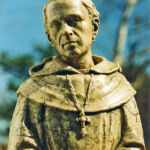
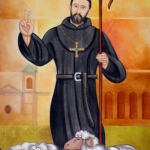
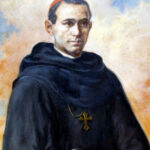
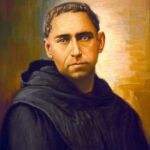
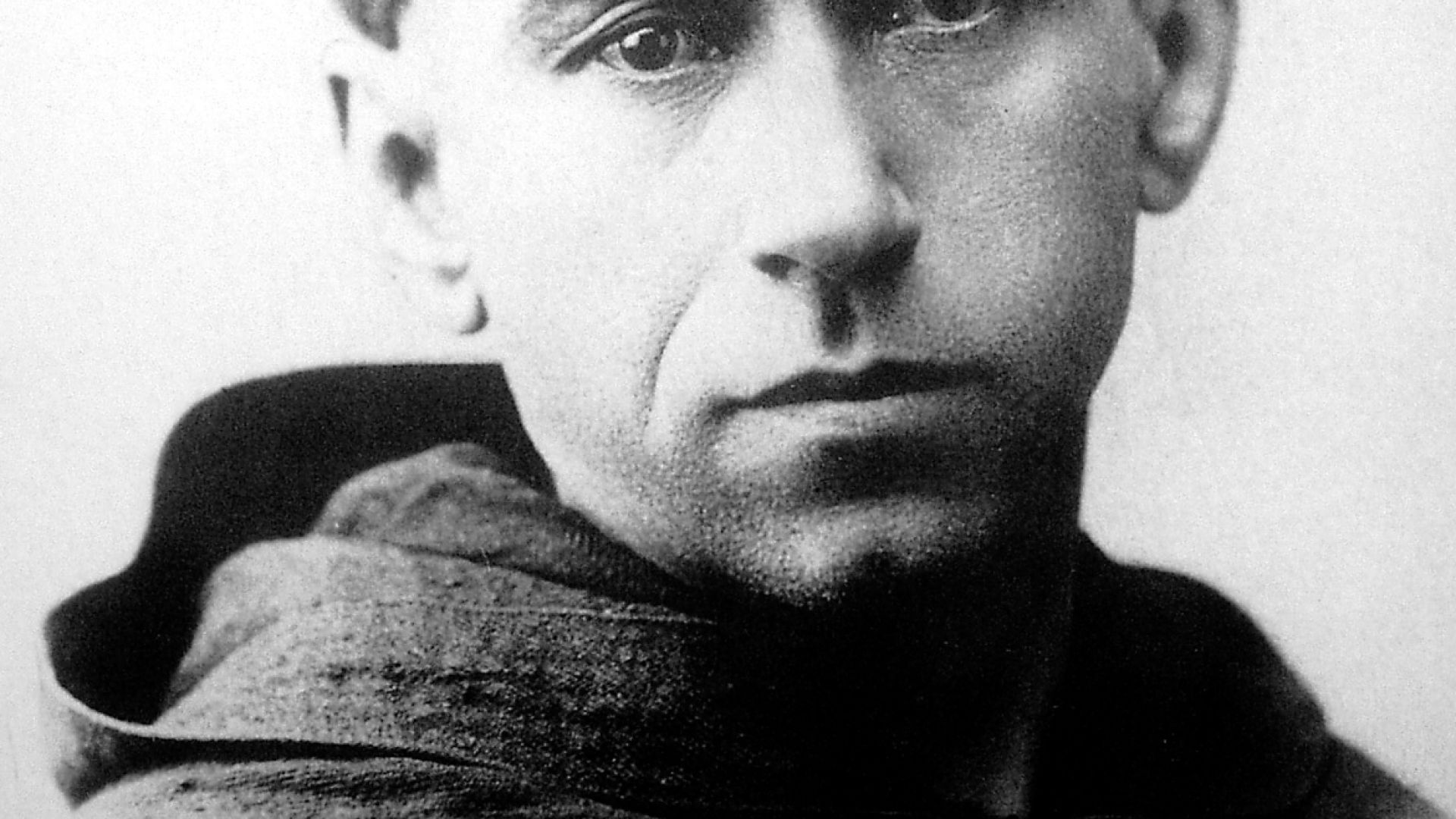
The great eloquence of Saint Ezekiel Moreno (1848-1906) lies in his life testimony and in the undeniable strength of the fact that he never felt contemplation and action, apostolate and common life, asceticism and solidarity, the personal vocation of evangelizer and teamwork in community as mutually exclusive choices.
Ezekiel exposes as demagoguery any attempt to pit these elements against each other, since they all stem from a single core: the love of God. From this love spring fraternal community life, fruitful apostolate, and profound spirituality. Nourished by prayer, it is the source of the being and doing of every consecrated person, of personal and communal coherence.
Wherever Ezekiel went, he enriched the apostolate with fraternal life and an intense communal spiritual experience. He organized the religious into small communities of missionaries who shared prayer, rest, and administration, even when circumstances such as wars complicated everything.
When he had to rebuild the Colombian Recollection, he did not do it with documents and sermons, but with the example of his coherent life, integrated and rooted in the love of God, in the Recollect spirituality and in fraternal common life.
Saint Ezekiel was a master of discernment. During the Chapter process in 2026, he indicates a path to turn one’s gaze toward one’s own identity without fear, to integrate the personality of each person into the community, to assume the common charism as one’s own.
When the love of God occupies the vital center of the person and of communities, it becomes a communal spiritual experience, a charismatic identity, and a gift that is given to the People of God while serving them.