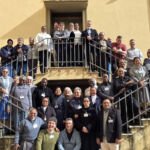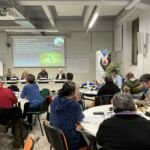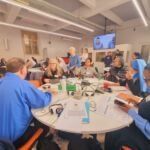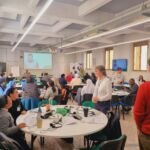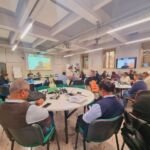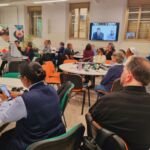

In a time marked by deep and interconnected crises — wars, environmental degradation, inequalities, migrations and loss of solidarity and spiritual values — the urgency of a prophetic and collective response from Consecrated Life grows.
This workshop aimed to build a shared vision of positive peace, based on connection with God, with others, and with all of creation. Among the topics covered were biblical and spiritual foundations, identifying challenges in the economy, politics, climate, and conflict, evangelical nonviolence as a path, and the tools available to Consecrated Life for its prophetic role.
The workshop has given us a time of deep listening to the world, to creation, to the poor, and above all, to our own hearts. Through an Augustinian reinterpretation, we were invited to return to our inner selves, where God speaks and new paths are born.
In this workshop, we felt our hearts beat differently again. We came to Rome from all over the world, with different stories, but with a common longing: to understand reality from that heart to which Saint Augustine so often invites us to return.
We must open our eyes, minds, and hearts to see reality. In the Workshop, we have deeply felt the suffering of the world, we have put faces and facts to injustices, we have listened to the cries of the excluded.
It wasn’t about learning a method or sharing an ideology, but about living a spirituality that unites mission and identity. Saint Augustine said that the heart is the “unifying center” and that the transformation of the world doesn’t begin outside, but within.
To speak of justice is to speak of God. His holiness is living justice—near, compassionate. It is not a cold or transactional justice, but partial in its best sense: it always leans toward the least among us. We have tasted the biblical meaning of justice, that shalom which signifies not only the absence of conflict, but fullness, integrity, and shared life.
We are called to a justice born of contemplation and embodied in the apostolate, which listens to victims and restores their dignity. The deepest justice arises when the victim is welcomed, listened to, and supported. This justice does not spring from laws but from the heart that restores dignity through love.
Creation was another great teacher during the Workshop. We experienced it as a gift, a presence, a sacrament, like an open book where God writes with beauty and patience. But we also came to know its pain, that cry of the earth and of the poor that unsettles us. We cannot look at the degradation of our Common Home without looking at those who suffer it most. There is no integral ecology without social justice.
For example, behind so much talk about “green energy” lie new forms of exploitation in the Global South, where there are minerals and resources that should not be obtained at the expense of the vulnerable. That is why we know that Creation is a subject of rights, not an object of capital. The Earth is a mother, not a warehouse; it is the environment where we encounter God, others, and all living beings.
Peace is built on fraternity.
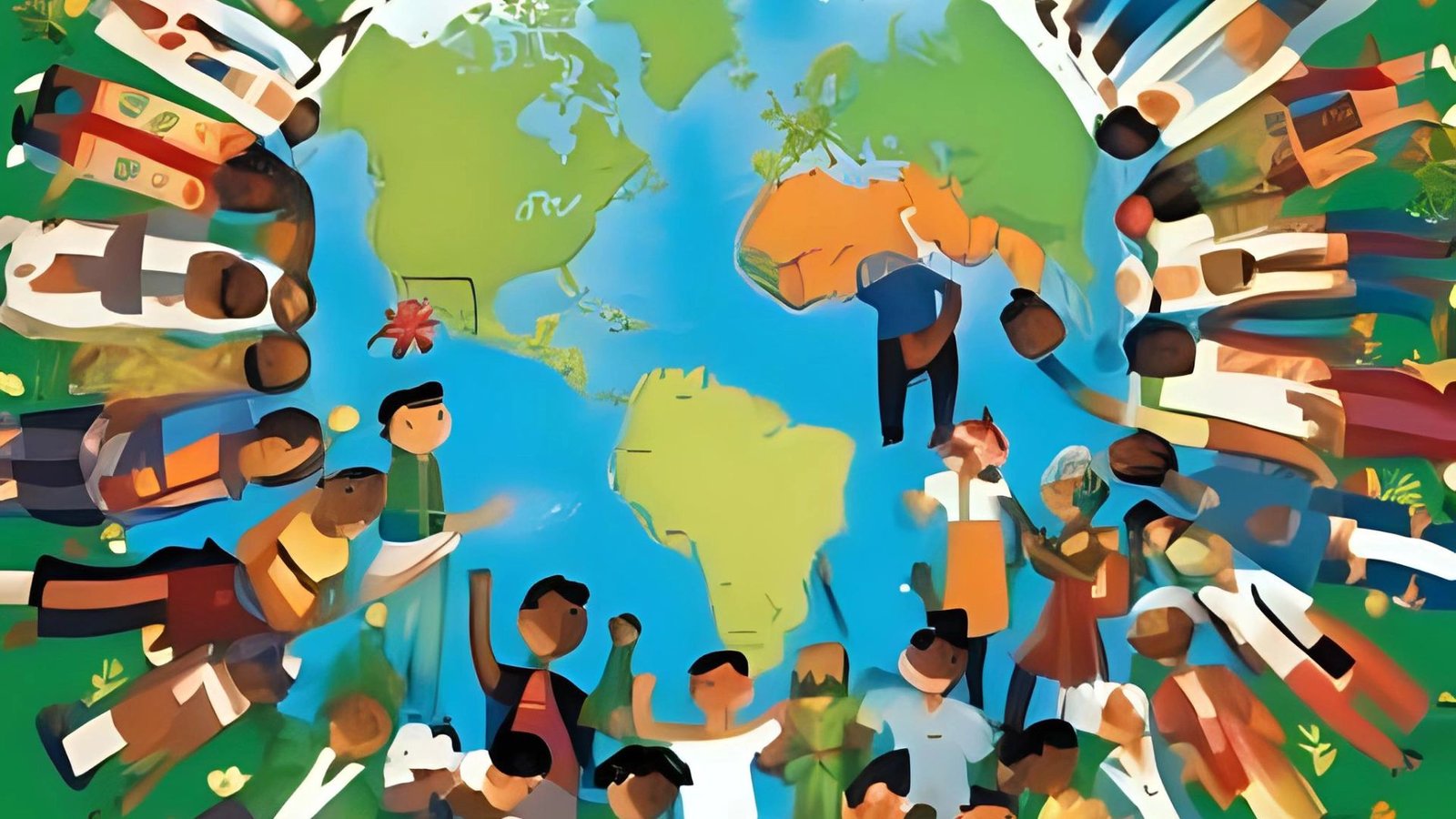
Peace, more than an abstract concept, is a handcrafted endeavor. It is built with everyone’s contribution, embracing diversity and complementarity. It has broadened its horizons: from law to rights, from development to solidarity, and now to universal fraternity.
Jesus showed that the most fruitful path is nonviolence: offering one’s body without resorting to force, resisting without hating, loving even when it’s difficult. It’s a concrete form of discipleship; it’s allowing Christ to disarm, through us, whatever generates violence.
During the workshop, the Indigenous peoples shared with us their wisdom, honed over centuries of harmony and reciprocity with our Common Home. What is taken from Nature is taken from us all. They don’t need pity, but rather respect, listening, and support. They are guardians of a truth the world has forgotten: everything is connected ! They are experts in respecting their traditions and caring for the territory entrusted to them.
At the end of this workshop, a conviction dawned on all of us who participated: the systemic transformation the world needs begins in the heart of each one of us. It is there that God speaks to us, there that we discover we are family, there that hope springs forth.
Saint Augustine knew this well: only those who return to their hearts can transform the world from within. And perhaps that is JPIC’s greatest service today: helping us awaken our hearts so that all creation can live in justice, peace, and fraternity.