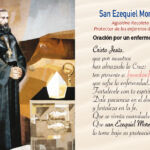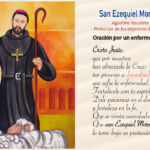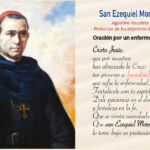

Saint Ezekiel Moreno (1848-1906), Augustinian Recollect missionary and bishop, protector of cancer patients, did not remain silent in the face of injustice, even to the point of having serious clashes with the authorities. His life was an example of austerity and defense of the truth in turbulent times.
Our times are no less turbulent, nor less in need of truth prevailing. Corruption is a wound that never heals, present in every time and place. It undermines trust in institutions and renders any other political action, however well-intentioned, futile. It fuels polarization and discord.
Transparency International publishes its Corruption Perceptions Index, which ranges from 0 (absolutely corrupt) to 100 (absolutely clean). In 2024, it measured 180 countries, with an average score of 43. Two-thirds (122) scored below 50 points, and only 21 scored above 70. The only country where the Province of Saint Nicholas of Tolentine falls within this threshold is the United Kingdom (71 points).
Where does corruption come from? The answer lies within the individual. When the desire for power and wealth is chosen above all other values, empathy, honesty, and solidarity must be suppressed, and the person wholeheartedly embraces a vicious cycle of escalating corruption that ultimately destroys everything in its path.
Today, the Augustinian Recollect Family presents a role model of transparency, committed to truth, austerity, and effective solidarity. Saint Ezekiel Moreno lived through wars and social tensions, and his response was to defend justice, truth, and human dignity. He dedicated himself to the victims of corruption, the impoverished, and the sick, and tirelessly promoted reconciliation.
His first biographer, Toribio Minguella, recounted that “he never carried money, not even when traveling. He stayed in poor convents, supporting himself like a religious and in a thousand other ways that his love of poverty suggested to him.” This was accompanied by solidarity. In the Philippines, Spain, and Colombia, he was very active in the face of famines, plagues, and wars. A witness said: “It was in those dire times that his penances were most rigorous. “
“The only question is to serve God as He wants,” he wrote in 1904, revealing his choice of simplicity and total dedication to God and others. His austere life and moral fortitude stood in stark contrast to any form of corruption or abuse of power. His letters contain phrases like these:
- “Do everything with love, for love makes the simple things valuable.”
- “I don’t want riches or honors, I want souls for God.”
- “True greatness lies in serving others.”
Saint Ezekiel Moreno is a light for concrete situations today. His defense of justice and truth calls us to confront all violence and impunity with ethical firmness, forgiveness, and peace. His love for the vulnerable reminds us that today we must protect and care for our Common Home from corrupt and greedy interests. His austere and honest life invites us to overcome materialism, consumerism, and artificial needs that can only be satisfied by finding money wherever possible, even through corruption.
Transparency and commitment, as Saint Ezekiel Moreno demonstrated, are the attitudes that end corruption: “The truth is not negotiable, even if it costs one’s life,” he said. His voice and his life say that integrity is possible.