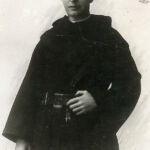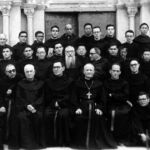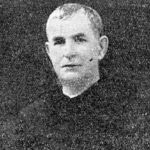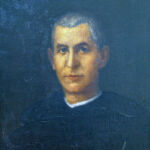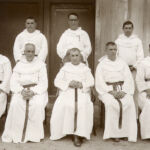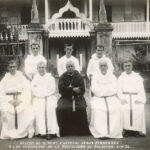

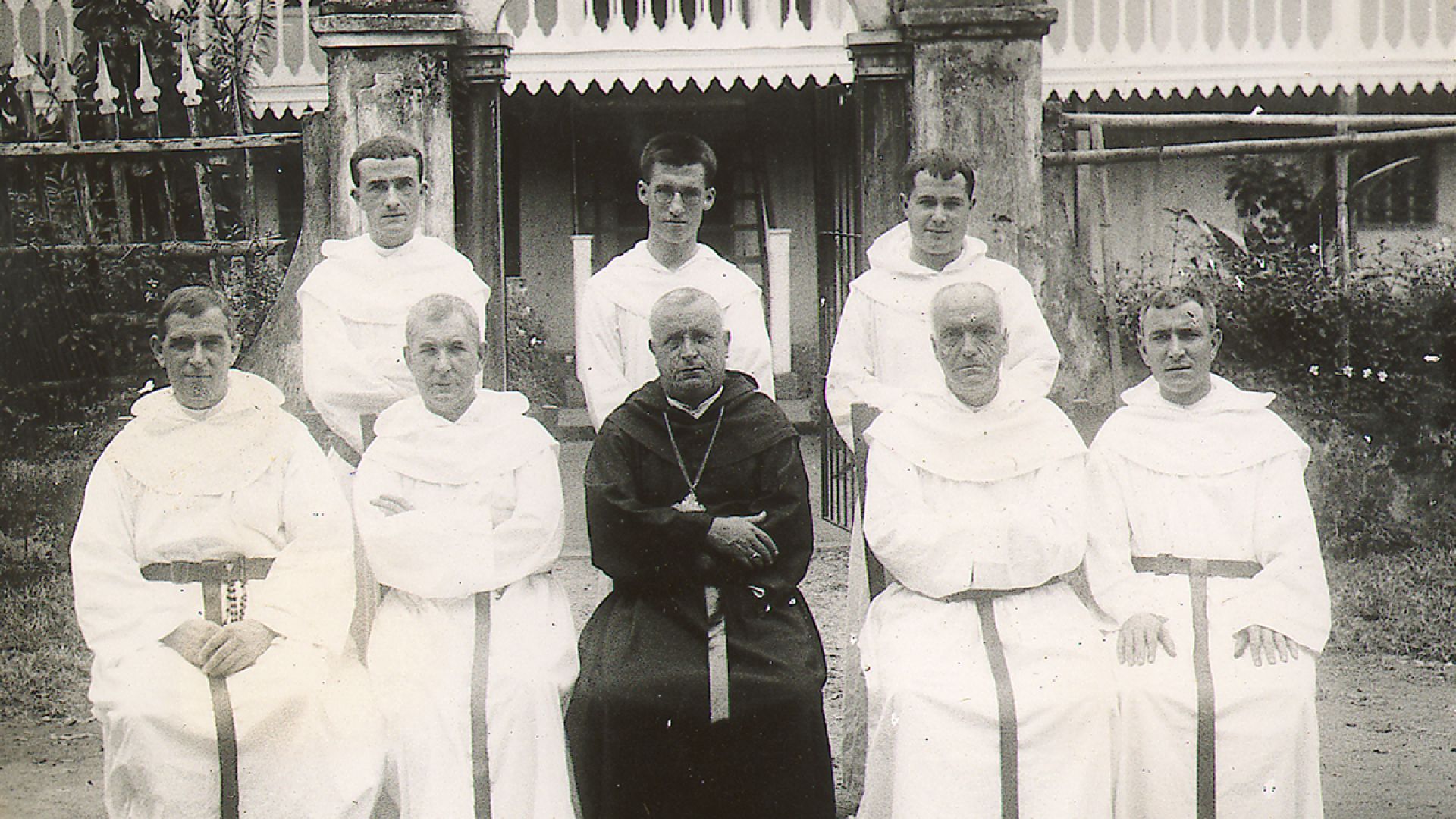
The figures of Pedro de San Miguel and Jesús Fernández show how fidelity to the charism, seasoned with ingenuity and dedication, allows the recovery of what is essential for the life of the religious community in difficult and challenging circumstances.
Both lived their vocation as a service to the Order and the Church with war and misery as immediate contexts: Peter, ensuring the sustenance of his brothers and the resources to continue the mission; Jesus, through community animation and the search for empathy with the most unprotected religious.
Both sought to serve God and their brothers and sisters through a variety of tasks and services that became a richness for the Church and a constant invitation to build the fraternal community with creativity and fidelity in any circumstance.
Dialogue for peace and resources for the mission
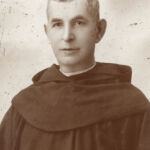
Pedro de San Miguel was born in Granada (Spain) on January 12, 1726. At the age of 16, in 1742, he professed as an Augustinian Recollect in Seville and was, in his Recollect Province of Andalusia, confessor, preacher and assistant to the master of novices.
But he decided to volunteer for the missions and joined the Missionary Province of Saint Nicholas of Tolentino, based in Manila, Philippines. He was sent to Zambales to learn the local language, acclimatize, and understand his new reality. His practical intelligence and wide vision stood out and he was elected prior of Iba.
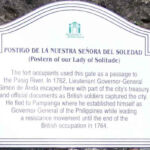
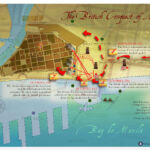
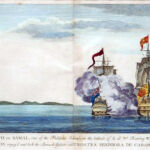
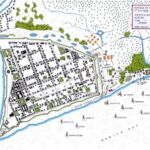
A historic turning point changed his life when in January 1762 Spain allies with France against Great Britain, which in response occupies Manila and Cavite. The Spanish governor, Simón de Anda y Salazar, establishes himself in Bacolor (Pampanga) and organizes the resistance.
Pedro de San Miguel collaborated closely with Anda and Salazar. He undertook delicate negotiations and identified valuable resources amidst the calamity of the war, such as the use of the Zambales forests for the shipbuilding industry. The war ended two years later with the Treaty of Paris, which returned Manila to Spain in exchange for concessions.
Pedro was then appointed administrator of the Augustinian Recollects and sought resources for the religious and their mission in times of hardship; and he did so well that he generated envy, criticism and accusations from ecclesiastical and civil authorities.
He died in Dapitan on May 20, 1774, and his memory remained linked to the care of common goods, so necessary for the survival of the communities and for the maintenance of their ministries, own training, or missions.
Encourage and support in times of trial
Jesus Fernandez was born on January 14, 1876. He was prior general of the Augustinian Recollects between 1932 and 1938; before that he had been a missionary in Colombia, professor of theology, novice trainer, local prior, provincial prior and general councilor.
He ensured the unity of the Order, fidelity to its charism, communion with the Church, and a smooth relationship between the Provinces and the General Curia, a staunch defender of clarity and transparency. He insisted on protecting the interior life, “without which apostolic action is useless,” and promoted better organization, adequate formation, and the faithful collection of data, becoming a great expert on the reality of the Recollects thanks to his visits to communities in Asia, America, and Europe.
The Spanish Civil War (1936-1939) marked his time as prior general. With very limited communication, he exhorted people to spiritual depth and trust in God, “who cares for the little birds of the air,” and in Jesus, who was also persecuted: “Happy are we if these adversities move us to respond with greater fidelity to our vocation.”
While in the United States, and without yet knowing the difficult situation of the communities in Spain or the magnitude of the martyrdom of the community of Motril (Granada), he asked all the Recollects in the world to act with solidarity and to pray, while the war lasted, “daily, if possible in community, the major litanies”, showing special affection and concern for those who were living through very difficult times.