
On June 23, 2023, I noticed two lumps, one on my left side and the other in my right armpit. When the doctor saw them, he frowned and referred me to another specialist. The diagnosis was clear: “Melanoma, stage four.”
The thought crossed my mind: “Lord, if I make it to Christmas…” I had already planned two weeks of rest in Spain in July with my family, and I went, but I didn’t tell anyone. For me, it was a farewell to everyone I met.
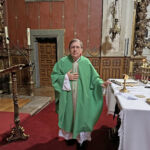
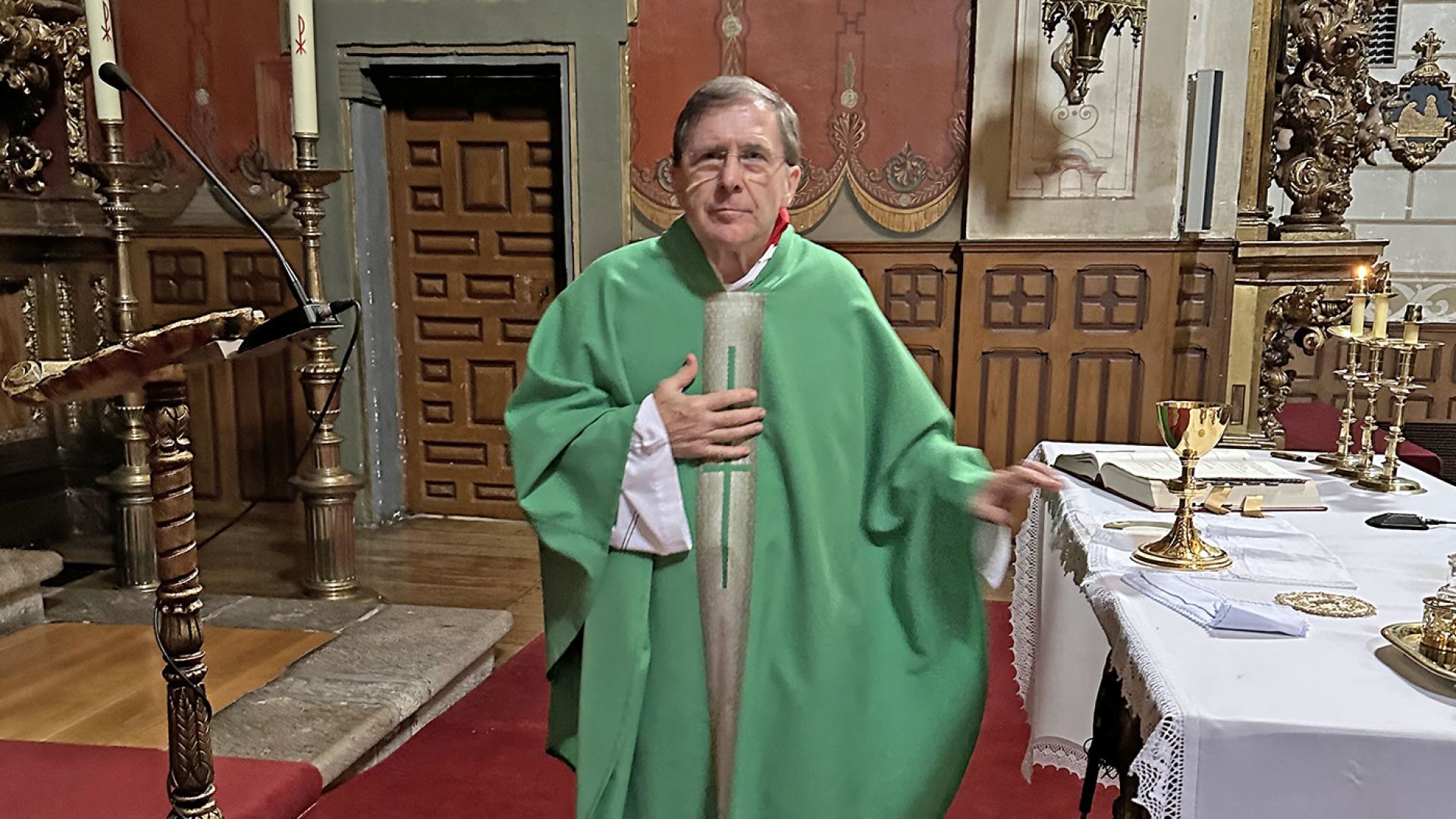
On July 14th, at the Augustinian Recollect Nuns in Pamplona, I celebrated the 49th anniversary of my priestly ordination: “Lord, my plans were to celebrate my Golden Jubilee here next year, but You have other plans; Your will be done,” I prayed. I asked my sister to take a picture of me as a memento.
I began the treatment on August 8th. The specialist told me, “There’s no cure, but it’s manageable: four immunotherapy sessions, three weeks apart. You can lead a normal life.” While chemotherapy kills all cells (good and bad), immunotherapy only attacks the bad ones.
I started the first session… and it went well. During the second session, there was a side effect: I developed a very rare disease, a disconnection between the nerves and muscles: myasthenia gravis. It happens to fifty in a million, and… it happened to me.
I first noticed it in my vision: I couldn’t read, use my cell phone, see street signs, or drive. I just kept feeling worse. On September 12th, they took me to the emergency room with a heart rate of 200. If I hadn’t gone, I would have died of cardiac arrest, like my two brothers. They tried to slow my heart rate all night.
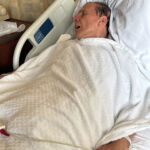
I remained three weeks at Hackensack Hospital without a definitive diagnosis until they discovered myasthenia gravis. My esophagus became paralyzed. For the next three months, I couldn’t speak or eat; I was fed through a tube. My family was advised to come and say goodbye so they wouldn’t have to come directly to the funeral. My sister and her eldest son stayed with me for a week.
I asked the Lord to give me the grace to be a witness to the Gospel in such a situation and place: “Everyone in this hospital is going to know that I am a Catholic priest, help me to bear witness to you.” When I was finally able to swallow a little, they discharged me.
And I recovered. In addition to the two tumors I had felt when it all started, I had another one on my head which, along with the one on my left side, disappeared with immunotherapy. They changed my treatment and prescribed some very expensive pills. Logically, my hair should have fallen out, but it turned white, and since then, I’ve been albino.
When I left the hospital, I couldn’t even stand up. I received physical therapy, and a specialist helped me regain my voice. I have been obedient to the doctors, whom I consider messengers of God.
The tumor in my right armpit, which was the size of a tennis ball, is now the size of a grain of rice. An oncologist monitors the disease every month. By the grace of God, with the care of my siblings and excellent doctors, I can lead a normal life.
I live with this illness, accepting God’s will completely. I enjoy each day and am grateful for my recovery. My life is a gift, I say it from the bottom of my heart: “I am a miracle of God’s mercy and the prayers of so many people who pray for me. ”
To the secretaries of the doctor who discovered my cancer, I said, “I owe my life to Dr. Milles.” And they replied, “And to you, for following his instructions to the letter.” I don’t joke around. I do what I’m told; I want to do my part. I’m open to the Lord’s plans; only He will decide what will become of me.
For thirty-five years I have lived each day as if it were my last, and now, more than ever, I live it as a gift. A month after returning home, I took the elevator down to the chapel and couldn’t manage the small step leading to the sacristy. Now, when I climb the stairs, I rejoice in God’s goodness, which has allowed me to recover enough to lead an intense apostolic life in my daily ministry.
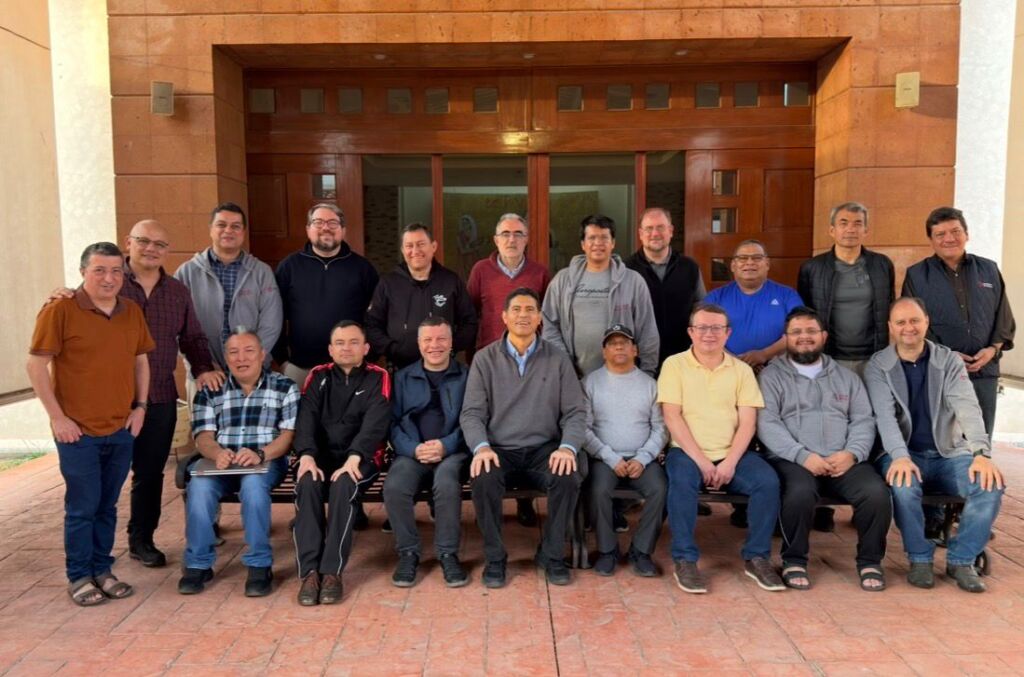
My Augustinian Recollect community has been fundamental to my recovery, especially in the first few months. They supported me with fraternal gestures that filled my heart with gratitude. Many lay people, especially parishioners, have also shown me their affection through prayers and have helped me feel loved.
When I celebrated my golden jubilee as a priest in 2024, the outpouring of affection deeply moved me. Accompanying the sick is a work of mercy that will count for a great deal in the final exam. What you do for the sick person is as if you were doing it for Jesus himself; and it is a tremendous resource for caregivers to overcome the weariness they understandably carry. It is about living day by day that relationship with the one who feels vulnerable, both physically and emotionally, helping them to bear their cross with docility to the Father’s will.
We, the Augustinian Recollects, find in Saint Ezekiel Moreno an inspiration to help cancer patients and their families. He is a model and intercessor who alleviates the anguish of those who hear their diagnosis as a death sentence. Elevating illness by uniting it to the cross of Christ gives the sick person a purpose and meaning to their suffering, which becomes redemptive through their own Calvary.