

Life continues its inexorable rhythm. It carries us forward and pushes us sometimes with illusions, sometimes with the inertia of daily routine, sometimes with memories, other times with the mere counting of calendar days, but always bringing us closer to the goal.
I paid a visit to the residence of the elderly Recollect religious in Salamanca, a residence that, I imagine, will bear great resemblance to the shelters in other provinces of the Order. In the life of this community of older adults, many details stand out daily like precious pearls: the help of some with others pushing the wheelchair, how a religious patiently gives yogurt to his table companion, the explanation that a friar gives to another with respect, the attention to the Mass, everyone responding with a firm voice, the desire to follow the prayer of the liturgy of the hours without getting lost among the pages of the breviary, the singing of “songs of yesteryear” on a brother’s birthday. Pearls of inner life shine, although there are also details that produce some sadness, images caused by physical and mental deterioration; something inevitable. Life in this environment acquires a slow pace and an “airplane mode.”
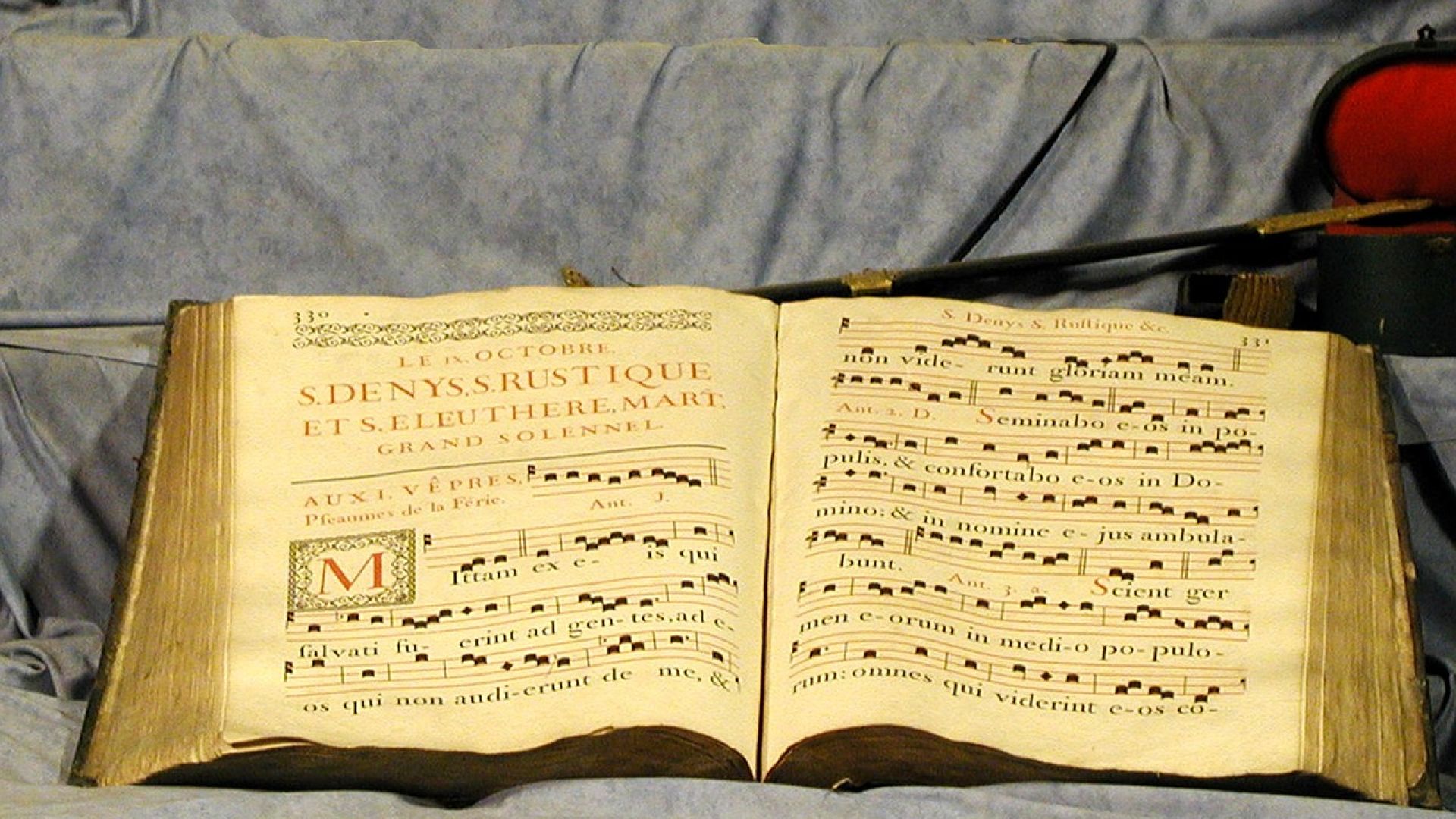
But, continuing with my question: what does Gregorian chant sound like at eighty years old? In the days I spent with these brothers, I appreciated that the chapel turns out to be the area of greatest interest, the meeting point where a revitalization is perceived, much more than in the television room, which transmits passivity. The faithful attendance to the chapel is appreciated, the respectful following of the rite, the reading of the office with a firm voice, the Eucharist heard consciously. Everything bears a seal of ritual, of custom, but at the same time the sincerity with which the elderly religious participate making community is seen: they pray, they advise the brother where the page of the psalm is, they help the companion to place his wheelchair in front of the altar, they pass him the stole, they warn him that he can sit down… Yes, in a nursing home everything is done slowly and in “airplane mode,” but I want to emphasize that everything also advances in “serene and fraternal virtue” mode.
From among this series of exemplary photographs that I collected, I was especially moved by how the rosary was prayed on Saturday afternoon and at the end of it the “Salve Regina” was intoned. At that moment it seemed to me that there was no longer airplane mode but an elevation of voice, enthusiasm and firmness in the singing, as if the chapel were full of young theologians of yesteryear. The chant revealed itself as a resounding affirmation of the life of those friars. Next, the “Ioseph” was intoned, and, again, in unison, all the religious entered strongly with strength and tone. Wonderful! I felt that there was an inner fire, an ingrained fervor. Sunday arrived; the holy hour of the afternoon was directed by the father prior. Contrary to what I expected, the superior intoned the “Tamtum ergo”, and again, in unison, the octogenarian voices joined in firmly: “…sacramentum, veneremur…”. Exciting!
And I thought: How does Gregorian chant sound or, better, how does it resonate in these elderly religious? How many emotions and memories will these musical cadences evoke in those who sang them with devotion from the age of 11! And I also wonder what healing effects the monochord and deep melodies of the chant produce in their minds.
Adults are taught – increasingly insistently in recent years – how to age with dignity. They offer us mental vitamins and spiritual tools so that the third age is a state of joy and serene approach to the absolute good of God. Doses of peace and harmony are required to peacefully deliver the cup of life to the Creator. I was convinced that these Gregorian chants serve to regenerate the minds and souls of these friars who participate all in one voice, all in common, all feeling a deep spiritual experience. They praise God through the traditional liturgical chant that is a means to elevate the soul to the Creator. The chant expresses what words cannot, it is mental hygiene, it is therapeutic breath for the soul. At eighty-something, the soul of faith emerges from the beauty of the chant.