
Natalia Cuesta analyzes one of the most influential spaces in popular culture, the Super Bowl halftime show, where Bad Bunny became more than just entertainment. It was a moment of representation that put a language, roots, and a way of celebrating shared life at the center.
Bad Bunny is a symbol of cultural fusion and innovation in music.
In one of the most influential spaces in popular culture, the Super Bowl halftime show, Bad Bunny became more than just entertainment. It was a moment of representation that put a language, roots, and a way of celebrating shared life at the center.
Last night, millions of people watched the Super Bowl halftime show, turning Bad Bunny’s performance into a top-tier cultural event. There has been considerable controversy surrounding this choice by the NFL, but what for many was a matter of power or political interpretation, for others was something much deeper: gratitude, memory, and representation.
Thousands of people sat in front of the television, and when the music started, they saw themselves reflected: their stories, their families, their roots, and a language they didn’t have to be ashamed of this time.
A global stage for a shared identity
It is not just about getting on a stage, but about going out into the world proudly showing the heart of a culture. A celebration of life and love that reveals, without filters, what beats in the hearts of many Latinos. A gesture of respect towards those who preceded the singer, towards the country that saw him grow up, and towards so many who gave up their comfort to offer their families a better life.
Between songs and dance, Bad Bunny sent a message to those who are not always reflected on television: to those who have grown up translating between two languages, to those who have not been able to see their grandparents for years, to those who, even if they were born in the United States, continue to eat the twelve grapes at the end of the year and know that the party starts when the whole family arrives.
When thinking about this halftime show, it is impossible not to think of all the children, parents, and grandparents who, wherever they were, felt a little closer to home.
Language, culture, and hope in times of polarization
The representation of a culture marked by joy, celebration, and family in a space like the Super Bowl is also a sign of the times we live in. In an era of division, speeches full of hatred, and increasing polarization, the image of thousands of people dancing together becomes a symbol of unity, hope, and life. Love still has a place in our society.
In a world that promotes individualism, a culture of sacrifice becomes visible: families who live apart, people who leave everything behind in search of a better future for those they love. It shows that it is possible to be proud of one’s origin and that language is a living trace of the love of those who fought for us before.
Regardless of whether you like his music or not, Bad Bunny has become a role model. Someone who is not ashamed of his roots, who brings Spanish to public spaces, and who, simply by being who he is, makes those who prefer a culture based on exclusion uncomfortable.
Language is central to people’s identity: it is what narrates our life, tells our story, and names those we carry in our hearts. Spanish is not just a language that is spoken; it is a way of loving, caring for, and naming the world.
Accents are not a defect to be ashamed of, but a mark that speaks of origin and journey. That Spanish sounds on a stage like the Super Bowl is, in itself, a gesture of visibility and dignity. In times of divisive speeches, culture and language can become a true link.
Beyond the spectacle, this performance is also an invitation to live from joy and gratitude, to show the heart of a culture that beats in millions of people who, in their countries and in every corner of the world, walk forward carrying their roots with pride and dreaming of reuniting.
In the heart of Hispanic culture, we find values that can be a true antidote to our life: family, joy, and simplicity.
The pleasure of meeting and sharing around a table, the ability to unite generations, respect for elders and the learning that comes from them, and, above all, a joy that persists despite the difficulties. A culture that, even marked by pain, injustices, and the separation of many families, continues to express itself in dance, in celebration, in union, and in love for life.
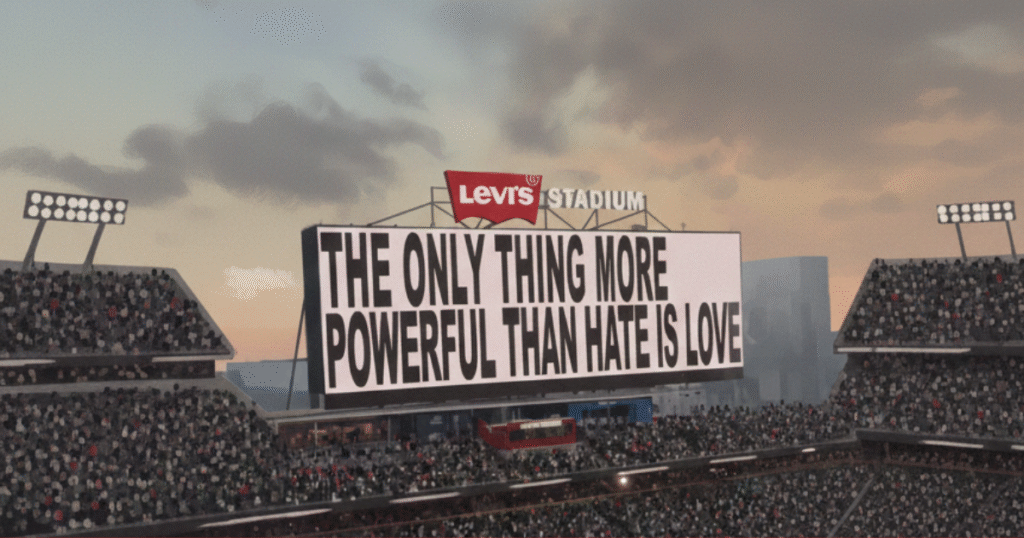
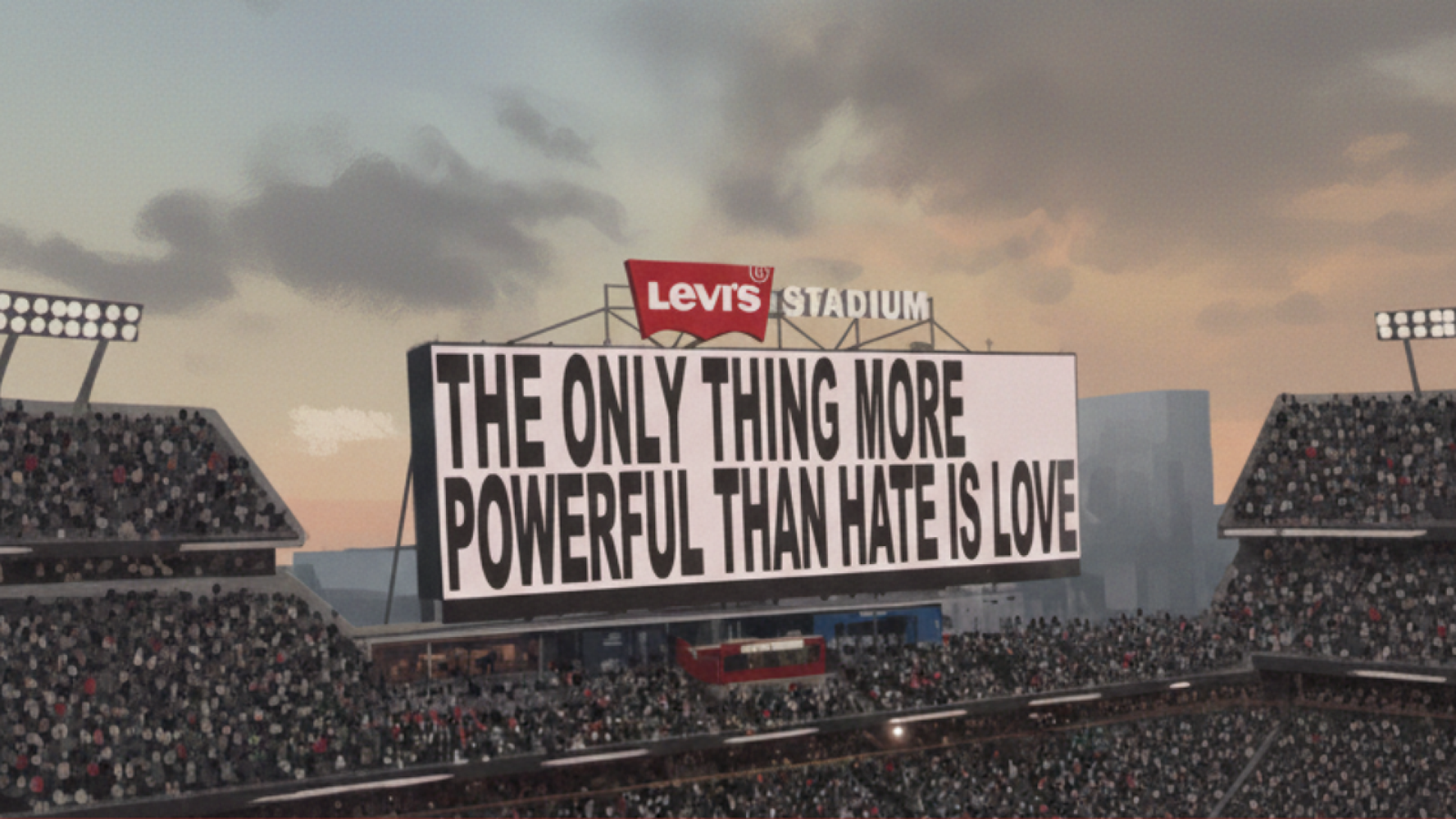
That is also our testimony: that joy lived from simplicity and love is one of the deepest forms of hope and that, as Bad Bunny recalled, “the only thing more powerful than hate is love”.